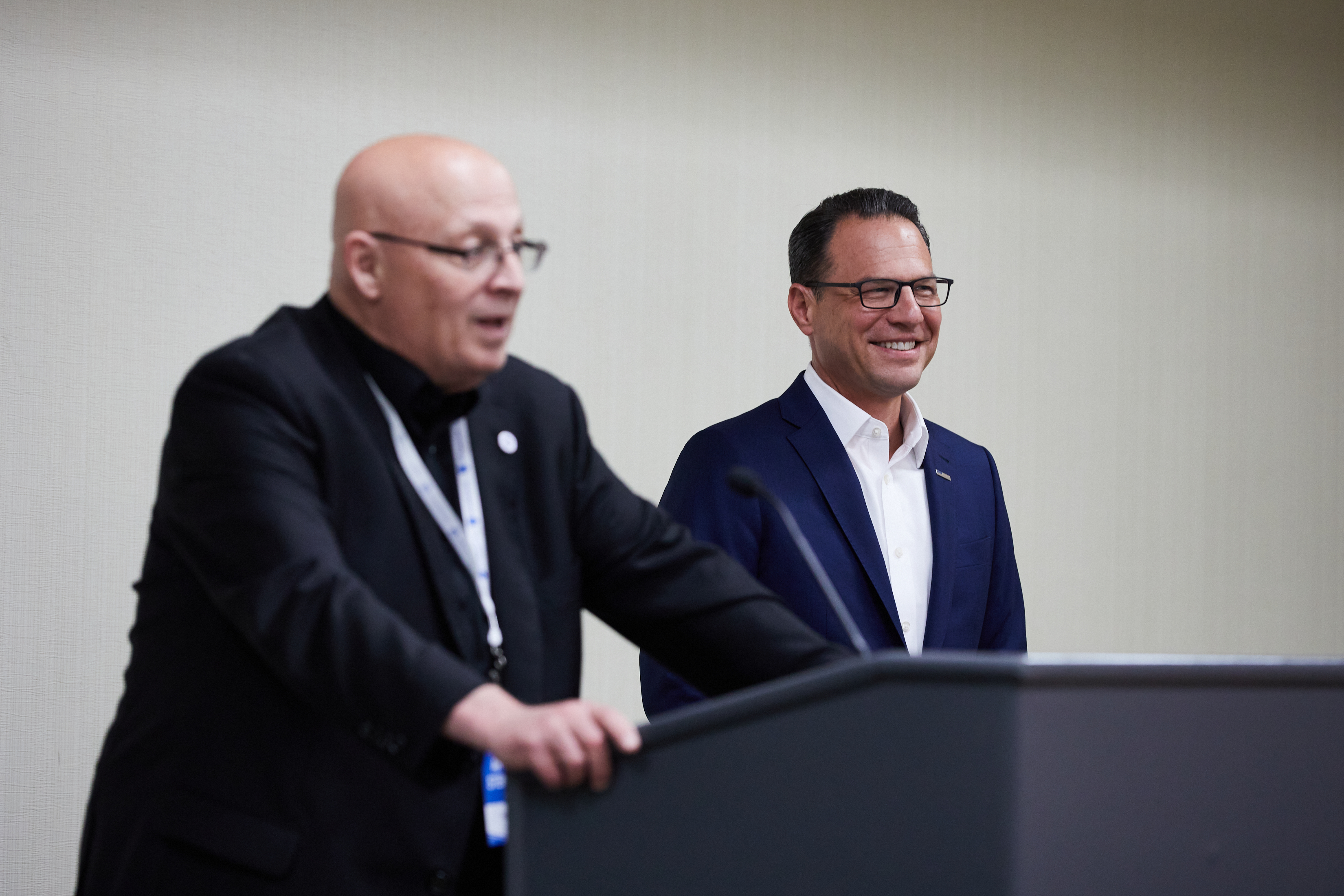
PHILADELPHIA (February 3, 2026) – Following is a statement from Philadelphia Federation of Teachers President Arthur G. Steinberg on Governor Josh Shapiro's proposed FY2027 budget:
“Governor Shapiro’s proposed budget is more than a spending plan; it is a vision for what Pennsylvanians should aspire to achieve. This budget deepens investments in long-underfunded schools, frees districts from wasteful cyber charter obligations, empowers administrators to enact smart phone bans to enhance learning, and grows the child care and educator workforce – without raising taxes on working people. Overall, this administration has increased public school funding by 30% and career and technical education funding by 70%.
“Governor Shapiro’s budget affirms our core belief as educators that children’s learning and wellness are crucial for building healthy communities and economies. An increase of $565 million to close the school funding adequacy gap, $50 million more for special education, $35 million for student-teacher stipends, and $1 billion for the Critical Infrastructure Program that will support public schools are a strong and timely investment in our future. Governor Shapiro is right: the federal government’s starvation of public institutions must spur state officials to dig deep for local communities.
“We also welcome the critical mass of support building among state legislators for a decent minimum wage. Nearly all of our greatest challenges as Pennsylvanians – from home care worker shortages to public services like mass transit stuck in the 2000s – are tied into our having the lowest minimum wage in the region. Senate Republicans must stop blocking bills to raise the minimum wage so that Pennsylvania’s workforce can prosper and grow.
“As I watched the Governor deliver his annual budget address in the comfort and safety of the state Capitol, I continued to receive reports from PFT staff about dangerously cold conditions in School District of Philadelphia buildings – buildings that should have been modernized and renovated decades ago. At least five school buildings are closed and others are still uncomfortably cold today because the District has never had the resources to make timely upgrades and repairs to school buildings.
“Just as we did during last year’s painful budget impasse, our members will be advocating for a final spending plan that prioritizes their students and schools.”